Let's name what's happening
You haven't had sex in a while. Maybe it's been a year. Maybe longer. The reasons don't matter right now. What matters is that you're thinking about restarting, and that thought comes with a weird cocktail of curiosity, anxiety, and honestly, some uncertainty about whether your body still works the way you remember.
Here's what I want you to know first: your body absolutely still works. But it might feel different. And that's not a problem. That's just information.
Why sensation changes after a long break
When you're not sexually active for an extended period, a few things happen. Blood flow to the genitals decreases. Nerve sensitivity doesn't disappear, but the pathways get quieter. Pelvic floor muscles tighten from disuse. If you had anxiety around sex before the break, that anxiety is still there, and it's now got company: rust and self-doubt.
This is completely normal. It's also completely reversible.
The part most people don't expect: sometimes sensation actually feels muted at first. Your genitals might not respond as quickly or as intensely as you remember. You might worry this is permanent. It's not. It's your nervous system being cautious, and that caution usually lifts within a few sessions of gentle, pressure-free stimulation.
Why lemon clitoral vibrators help specifically
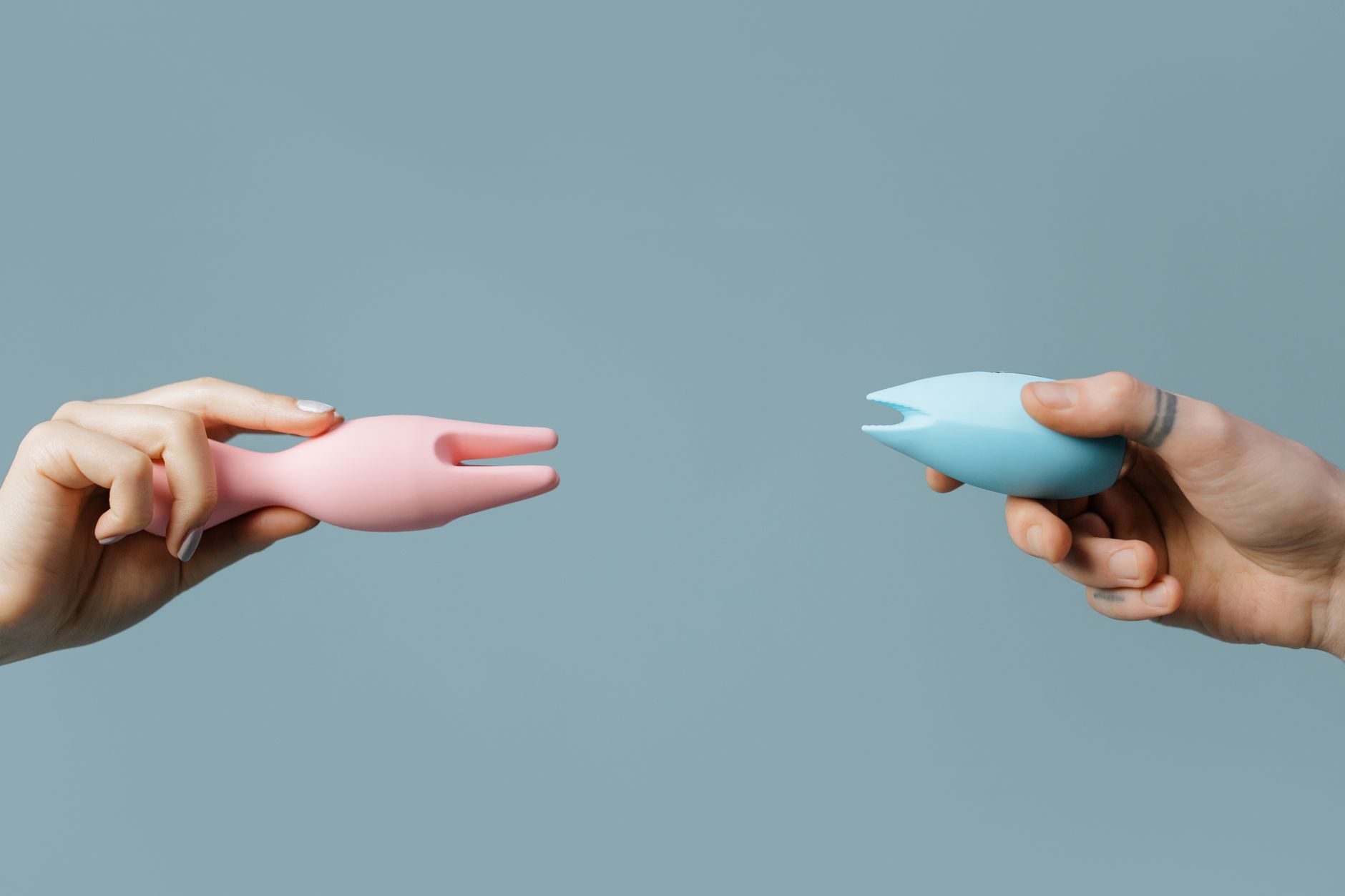
Lemon sexual toys, particularly the clitoral vibrators, work beautifully for this phase because they skip the learning curve. You don't have to wonder if you're doing it right. The vibration does the work. You just have to show up.
The suction design of lemon vibrators (like the lem vibrator) is particularly useful here. Instead of direct rubbing, which can feel too intense or even uncomfortable when you're restarting, suction stimulates the clitoris gently from the outside. This feels less invasive, less demanding, and honestly less embarrassing if you're solo or if you're nervous about how your body will respond.
If you're using a lemon sucker for the first time, the barrier to entry is low. You don't have to maintain a rhythm. You don't have to wonder if you're hitting the right spot. You can focus entirely on sensation instead of performance.
The mental work comes first
Before you even touch yourself, there's something to address: the story you're telling about the gap.
If you're carrying shame about the time away, anger at yourself for "losing" your sexuality, or worry that you're broken, that story will block sensation. Your nervous system won't let you feel pleasure if it thinks pleasure is dangerous.
Start by separating the facts from the feelings. Fact: you didn't have sex for a while. Fact: you're thinking about restarting. Everything else is a story. And stories are optional.
Talk to yourself like you'd talk to a friend. "My body took a break. That's normal. Now I'm curious. That's also normal. I don't need to be perfect at this." Simple, kind, true.
If you have a partner, have this conversation out loud. Tell them you're restarting. Tell them you might feel different or move differently. Ask them to let you lead. Make it clear that this is about rebuilding your own baseline, not about performing for them.
The practical restart protocol
Start solo. This matters. When you're solo, there's no pressure to come, no audience, no obligation to reciprocate or perform. You're just collecting data about what your body feels.
Set a time when you have at least 30 minutes and zero interruptions. Lock the door. Silence the phone. This isn't about rushing to an orgasm. It's about remembering what sensation feels like.
Begin with breathing and touching. Spend five minutes just breathing, chest and belly. Touch your breasts, neck, inner thighs. Let your nervous system know this is safe. Notice what feels pleasant. Don't aim for arousal yet. Just sensation.
After five to ten minutes, introduce the lemon clitoral vibrator. Start on the lowest setting. Apply it to the outer lips first, not the clitoris directly. This is less intense and easier to tolerate if you're nervous. Move it slowly around the area. Notice temperature, vibration pattern, texture.
Give yourself ten minutes here. You're not trying to come. You're relearning.
If you want to move the vibrator to the clitoris itself, do it slowly. If it feels like too much, move it back out. There's no rush. Pleasure is patient.
If you don't orgasm in this first session, that's fine. Most people don't. You're rebuilding neural pathways here, and that takes a few sessions.
What to expect over the first two to four weeks
Session one might feel awkward. That's normal. Your body might feel numb or strange. That's normal. You might not come. Completely normal.
Session two often feels less weird. Your nervous system starts to remember that this is safe.
By session three or four, most people start to feel familiar sensations coming back. Your genitals might feel warmer or more responsive. You might notice lubrication returning. You might feel a hint of that electrical sensation you remember.
Orgasm might not arrive for several sessions. That's okay. The goal right now isn't orgasm. It's rebuilding the conversation between your brain and your body. Orgasm comes later, usually naturally, once that conversation is flowing again.
Use a water-based lubricant from day one, even if you're generating natural lubrication. This isn't a sign something's wrong. It's a courtesy to your tissues, especially if they've been inactive. It also speeds up the warming-up process.
Common obstacles and what they actually mean
"It feels numb." Your nervous system is protective. You've been away. Give it three to five sessions. Numbness almost always lifts once your brain trusts that this is safe.
"I feel anxious the moment I start." Anxiety is information. It usually means you need more of the breathing and less of the performance. Take an extra five minutes on breathing. Consider whether there's a reason (past trauma, current relationship stress) that might benefit from talking to someone.
"It doesn't feel the way it used to." Good. You've aged. Your body has changed. Different doesn't mean worse. It means different. Give yourself permission to build a new baseline instead of chasing the old one.
"I came, but it felt weird." Your pelvic floor might be tighter. Your orgasm might be shorter or feel more concentrated. This is information, not failure. It usually normalizes within a few sessions.
Bringing your partner in (if you want to)
Once you've had three to four solo sessions and you're starting to feel reconnected to your own body, you can include a partner if you want to. The key: make it clear that you're still in the rebuilding phase.
Don't jump straight into penetration. Start with the same solo routine, but with them present. Let them see you use the lemon vibrator. Let them understand what feels good. This removes the guesswork for both of you.
Many couples find that <a href="/blog/how-to-use-lemon-vibrators-when-your-partner-wants-them-in-the-bedroom">using lemon vibrators together</a> actually strengthens connection because it removes the pressure of "performance" from traditional sex. Instead of trying to time orgasms or worry about who comes first, you're partnering around your own pleasure. That's radically different from how most people approach sex.
When to see a professional
If numbness persists beyond four to five weeks, talk to a therapist who specializes in sexual health. This might be trauma-related, or it might be something physical that deserves expert attention.
If anxiety stays high, that's also worth exploring with someone trained in anxiety or trauma work. Restarting sex after a long hiatus can surface old wounds. That's not weakness. That's your system telling you something needs care.
If you're in a relationship and your partner is frustrated or impatient with your timeline, that's worth addressing directly. Your rebuild doesn't happen on anyone else's schedule.
The meta-skill here
Restarting after a long sexual hiatus teaches you something valuable: you can rebuild connection with your own pleasure. You can approach your body with curiosity instead of judgment. You can take your time.
These skills don't just apply to solo sessions. They transfer to partnered sex, intimacy, vulnerability, and honestly, how you show up in the rest of your life. The confidence that comes from "I restarted my sex life and it worked" is the same confidence that helps you restart anything.
Your break didn't end your sexuality. It just paused it. And pauses, when you're ready, have an interesting way of turning into new chapters.
People also ask
How long does it usually take to feel normal again after not having sex for a while?
Most people report that sensation and arousal start to normalize within two to four weeks of regular solo practice (two to three times per week). If you're using lemon vibrators, the timeline is often shorter because the stimulation is more consistent. That said, "normal" is individual. Some people feel reconnected in two weeks. Others take six to eight weeks. There's no deadline here.
Can you use a lemon vibrator if you haven't had sex in years?
Absolutely. In fact, lemon clitoral vibrators are especially good for this situation because they're gentle, non-invasive, and they do most of the work for you. You don't need to wonder if you're doing it right. Start on the lowest setting, use lubricant, and give yourself permission to take your time. Your body hasn't forgotten how to feel pleasure. It's just been quiet.
What if you feel pain when you restart?
Pain is different from discomfort. Discomfort (a strange feeling, mild tension) often fades as you warm up and relax. Pain (sharp, burning, aching) is a sign to stop. If pain persists beyond your first or second session, see a pelvic floor physical therapist or a gynecologist. Sometimes tightness needs professional release work. That's not a failure. That's just getting the right support.
Should you tell your partner you're restarting your sex life solo?
If you're in a relationship, yes. Not for permission, but for honesty. Say something like, "I want to rebuild my own baseline before we figure out what we do together." A partner who respects you will appreciate the clarity. A partner who doesn't might be showing you something important about the relationship itself.
Is it normal to feel emotional when you restart?
Completely normal. Sex is connected to identity, vulnerability, trust, and body image. If you've been away from it, restarting can bring up grief, relief, shame, or joy. Sometimes all at once. That's not a problem. That's your nervous system processing. Let yourself feel it. If emotions stay overwhelming, talk to a therapist.
Can anxiety during sex go away on its own?
Sometimes. If the anxiety is just rust and uncertainty, it usually fades as you rebuild. If the anxiety is connected to past trauma, relationship issues, or a medical condition, it often benefits from professional support. There's no weakness in getting help. There's just information, and then action.
Sources
Gottman, J. M., & Silver, N. (1999). The Seven Principles for Making Marriage Work. Crown Publishers.
Meston, C. M., & Frohlich, P. F. (2000). The neurobiology of sexual function. Archives of General Psychiatry, 57(11), 1012-1030.
Barlow, D. H. (1986). Causes of sexual dysfunction: The role of anxiety and cognitive interference. Journal of Consulting and Clinical Psychology, 54(2), 140-148.