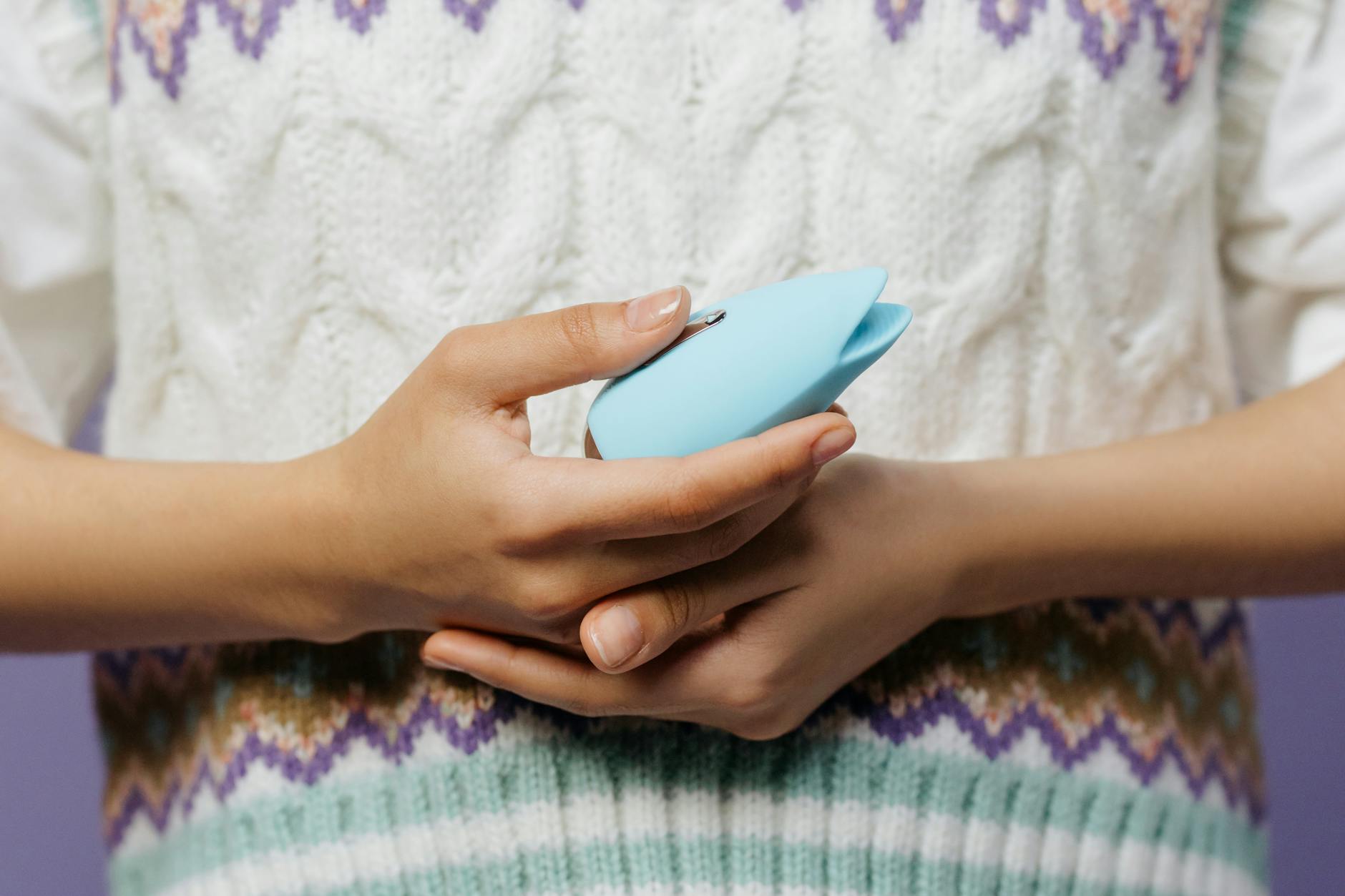
How to Use Lemon Vibrators When Your Orgasms Feel Less Intense Than They Used To
Your orgasms used to feel like a full-body event. Now they feel flatter. Shorter. Like someone turned down the volume on what should be electric.
This is more common than you think, and it's almost never about losing capacity. It's about losing access to the right stimulus. Here's what's happening and how lemon clitoral vibrators change the game.
Why orgasm intensity fades (the actual mechanics)
Orgasms depend on three things: blood flow to the clitoris, nerve activation, and what I call "stimulus match." When one shifts, the whole experience recalibrates.
Blood flow changes with age, stress, medication, and hormonal fluctuations. Your clitoral tissue is responsive, but if the blood isn't there, the sensation stays shallow. Nerve activation can quiet down too, especially if you're used to the same type of touch over years. And stimulus match. This one matters most. If you've been using the same technique or toy for five years, your nervous system literally stops registering it as "novel." The sensation is there. Your brain just stopped paying attention.
There's also the pelvic floor factor. If your pelvic floor is tight or holding tension, the orgasmic reflex gets dampened. The muscles can't fully contract and release because they're already partially clenched. Intensity tanks.
Why lemon clitoral vibrators work differently
Lemon vibrators use gentle air-suction technology instead of direct friction. This matters for intensity because suction stimulates the entire clitoral network, not just the external surface. You're waking up nerve endings that haven't been activated by your usual technique.
The sensation is novel enough that your nervous system re-engages. You're not just feeling pressure. You're feeling something that mimics natural arousal patterns more closely. And because the lemon clitoral vibrator applies energy across a broader area, it builds intensity gradually rather than relying on a single focal point. Many people find their first few orgasms with a clitoral vibrator are noticeably stronger than what they've experienced in months or years.
The build-up is also different. Instead of a quick spike and drop, suction creates a wave. Your body has more time to recruit muscle fibers. The orgasm itself ends up being longer and more textured because the stimulus keeps adapting.
The warm-up adjustment (actually critical)
If your orgasms have been feeling muted, your baseline arousal is probably lower than it used to be. That's not failure. It just means you need more runway before you hit intensity.
Start by giving yourself at least 15 to 20 minutes of foreplay or solo exploration before you bring in the lemon vibrator. This builds blood flow to the clitoris and allows your nervous system to settle into pleasure mode. Your brain needs to shift out of task-focused thinking into sensation-focused thinking. That takes time.
Use your hands first. Touch your inner thighs, your labia, the area around your clitoris. Not the clitoris itself yet. This is about priming the whole area, not rushing to the target. Then, when you bring in a lemon clitoral vibrator, your tissue is already engorged and responsive. The suction hits differently when you're properly warmed up.
Starting intensity and pattern selection
If you're rebuilding intensity, start on a lower setting. This sounds backward, but hear me out.
Lower settings on lemon vibrators create sustained, even pressure. Your nervous system can feel the full spectrum of the sensation instead of getting overwhelmed by the peak. As you warm up internally, gradually increase the intensity. You're teaching your body to recognize and build on pleasure cues.
Many people with dulled orgasms have actually gotten used to needing very high intensity to feel anything. Then they plateau. A lemon vibrator at setting 2 or 3 often feels more intense than whatever toy you were using at maximum because the stimulus is fundamentally different. You're engaging nerves that were dormant.
Pattern matters too. If you usually stick to one rhythm, vary it. Pulse, ramp, wave. Lemon vibrators have multiple patterns specifically so you don't get habituation. Switching patterns mid-session can actually trigger a stronger orgasm because your nervous system can't predict what's coming next.
Pelvic floor release (the part people skip)
If your pelvic floor is holding tension, your orgasms will feel truncated. The muscles can't fully relax and contract because they're already partially engaged.
Before using your lemon clitoral vibrator, spend a few minutes intentionally releasing your pelvic floor. Breathe deeply. On each exhale, let your pelvic floor soften. You can also try pelvic floor stretches. Child's pose, deep squats, butterfly stretches. Anything that opens the hip area. Then, when you use the vibrator, your pelvic floor has space to do what it's designed to do. The orgasm builds fully instead of being capped by tension.
During the orgasm itself, some people find that gently bearing down (like you're pressing down slightly) lets the pelvic floor release more fully. You'll feel the difference immediately. The orgasm gets deeper.
Mental engagement (yes, really)
Intensity is not all physiological. If you're checking emails in your head or thinking about your to-do list, your orgasm will feel muted. Your brain is literally not there.
This is why the 15 to 20 minute warm-up matters. You need time to transition mentally into pleasure. Put your phone in another room. Tell your partner or household that you need 30 minutes uninterrupted. Close your eyes. Let your mind follow the sensation instead of resisting it.
Some people find that fantasy helps. Some find that staying present with breath and body sensation works better. Experiment. The goal is mental presence, not a specific technique. When your brain is fully engaged in pleasure, intensity automatically increases.
Positioning and angle shifts
The angle you use your lemon clitoral vibrator at matters more than most people realize.
Direct vertical pressure feels completely different than angled pressure. Different angles hit different parts of the clitoral network. If you've been using the same position for years, switching it up can unlock intensity you thought was gone.
Try using the lemon vibrator at a slight angle. Try it from above. Try it from below. Try lying on your back versus on your side. Some people find that their most intense orgasms come from an angle they've never tried before. Your body has preferences you haven't discovered yet.
Timing within your cycle (if applicable)
If you menstruate, hormonal shifts through your cycle change orgasm intensity naturally. In the follicular phase (first half of your cycle), your clitoris is more engorged and sensitive. Orgasms typically feel more intense. In the luteal phase, sensitivity shifts.
If you've noticed your orgasms feel less intense lately, check whether your timing has shifted. If you usually masturbate at a different point in your cycle now, that's not broken. It's just different. Using a lemon vibrator during your follicular phase can help you experience that peak sensation again and remind your body what intensity feels like.
When to involve your partner
If you're rebuilding intensity with a partner, the conversation is important. "My orgasms feel less intense" can sound like blame. It's not. It's information.
Use this time to explore together. Let your partner see how you use your lemon clitoral vibrator alone. Then explore together. Plenty of people find that external visual or manual stimulation combined with the lemon vibrator creates synergy. Your partner is an additional stimulus layer. When they're engaged in the exploration rather than waiting for you to "finish," intensity often rebuilds faster.
The timeline for rebuilding
Don't expect this to flip overnight. Your nervous system has built patterns. Rebuilding takes about two to three weeks of consistent use. That means using your lemon vibrator at least three to four times a week.
Most people notice a shift within that window. Orgasms start feeling textured again. Intensity creeps back up. By week four or five, many people report they're back to baseline or beyond.
Consistency matters more than intensity of use. Using your lemon vibrator gently three times a week is more effective than one intense marathon session. Your nervous system needs regular signal that pleasure is available.
FAQ: Rebuilding Orgasm Intensity with Lemon Vibrators
What if I don't feel anything at first with a lemon clitoral vibrator?
First sessions often feel neutral or underwhelming because the sensation is unfamiliar. Your nervous system is still expecting your usual stimulus. Give it three to five sessions before deciding it's not working. By session three, most people feel the difference. Your body is still learning how to respond to suction.
Can using the same clitoral vibrator make orgasms numb again?
Yes, if you use only one toy at one intensity on one pattern forever. Rotate between different vibrators or patterns. A Lemon clitoral vibrator used at varied intensities and patterns stays novel. Variety is the actual key to sustained intensity.
Do medications that affect orgasm work with lemon vibrators?
Depends on the medication. Antidepressants, blood pressure medication, and hormonal birth control can all dampen sensation. A lemon vibrator can't override medication effects, but it often makes them less noticeable by providing stronger baseline stimulus. Talk to your provider if sensation loss is new. Sometimes adjusting timing or dose helps too.
Is weaker orgasm intensity a sign of something wrong?
Not necessarily. Intensity naturally fluctuates with stress, age, medication, and life phase. It becomes concerning only if it bothers you or shows up alongside other new symptoms like pain or loss of desire. If it's pure intensity shift with normal desire, it's almost always addressable with stimulus changes.
How does alcohol or substance use affect this?
Alcohol dampens sensation significantly. If you're drinking before masturbation or sex, that's the first variable to adjust. Try your lemon vibrator sober first. You might find intensity comes back immediately. Cannabis is more complicated. Low doses can heighten sensation for some people and dampen it for others. Test solo first.
If I rebuild intensity, will it stick?
If you maintain variety, yes. The intensity rebuilds because you're giving your nervous system novel stimulus. Keep that novelty. Rotate patterns. Change positions. Use your lemon vibrator sometimes, switch to your hands sometimes. The goal is never feeling "done" with pleasure. Movement is what keeps intensity alive.
The actual bottom line
Orgasms getting less intense is not about your body failing. It's about stimulus matching. Your clitoris and nervous system are still there, still capable. You just need to wake them up with something that feels genuinely new.
Lemon vibrators work because they offer fundamentally different stimulus. The suction activates your clitoral network differently than your hands or past vibrators ever did. Pair that with proper warm-up, pelvic floor release, and mental presence, and intensity comes back. Often stronger than before.
Give yourself permission to rebuild this. Intensity is something you deserve, and it's usually closer than you think.
If you're ready to explore, a lemon clitoral vibrator is genuinely worth trying. And if orgasm intensity stays flat despite changes, check in with your provider. Sometimes intensity loss flags something medical worth investigating. But most of the time, it's just about finding the right tool and the right approach.
You already know what intense pleasure feels like. Your body remembers. It just needs the right signal to come back.